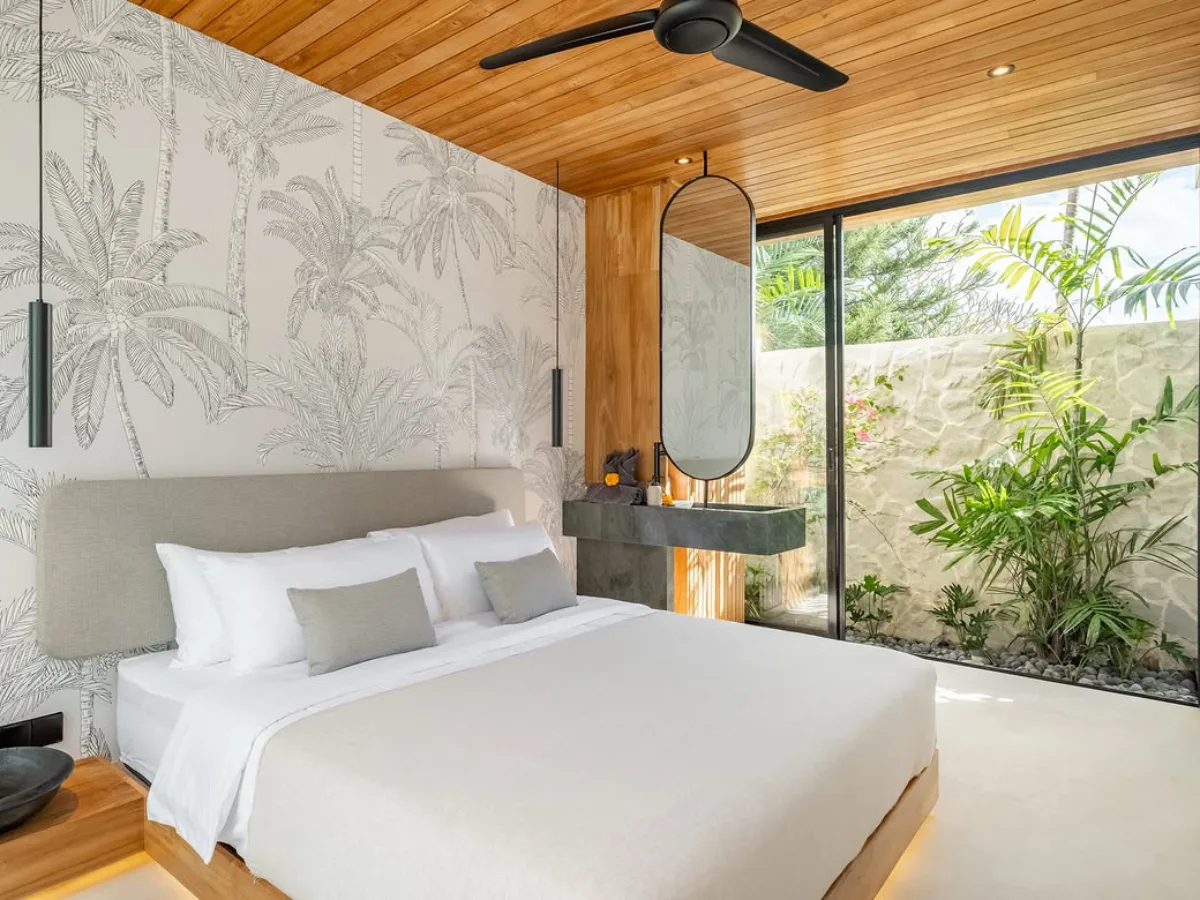
Open-concept bedrooms can feel spacious and inviting, but privacy can be tricky when there are few walls to define the space. The good news is that you don’t need to close everything off. These ideas show how screens, glass, furniture, lighting, and smart layouts can create separation while keeping the room feeling open and connected.
Bring the Garden Into the Bedroom
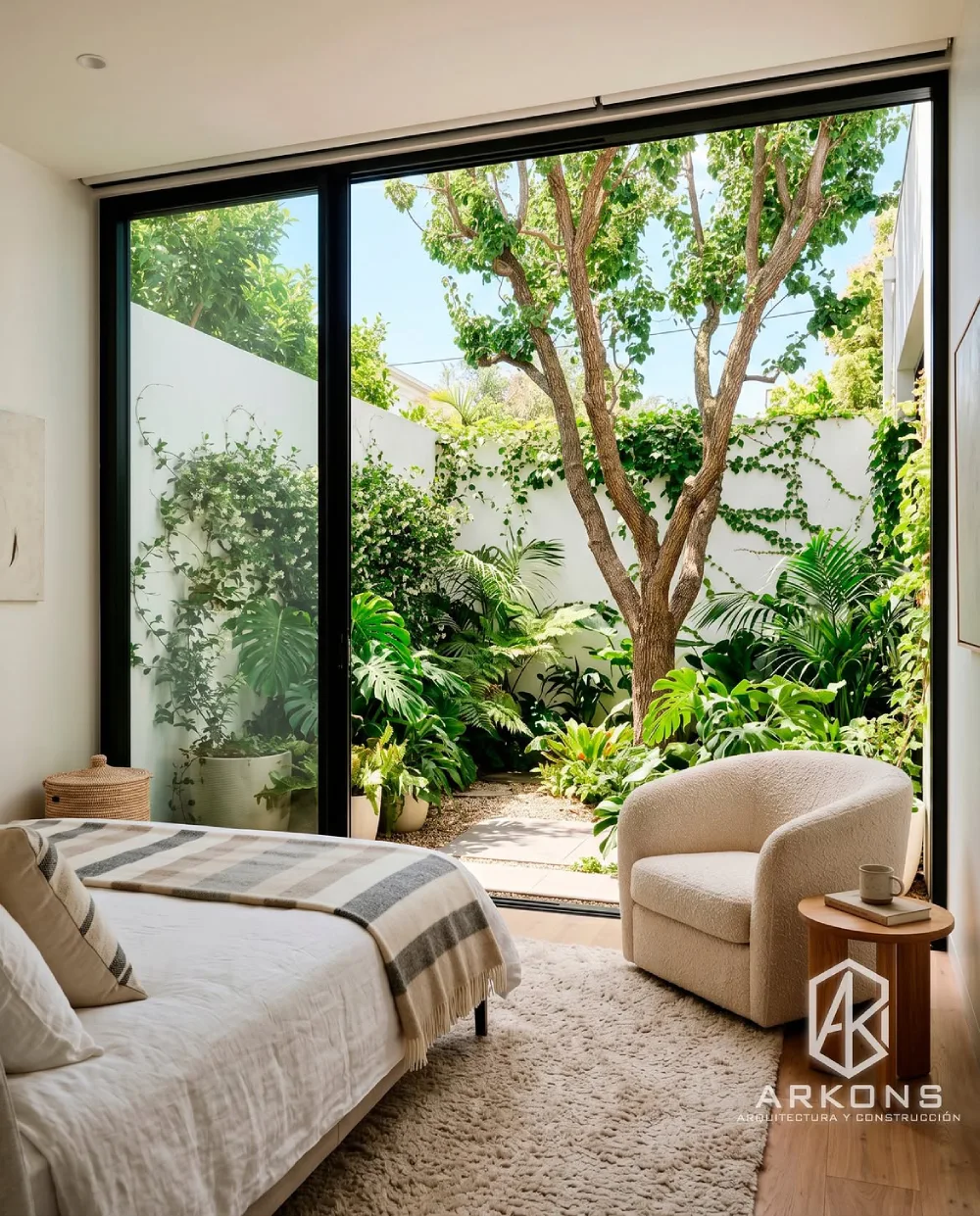
Large glass doors can make an open bedroom feel connected to nature while still giving the sleeping area a defined sense of place. I especially like how the garden acts as a natural backdrop without adding another wall.
Frame the Bedroom With Garden Views
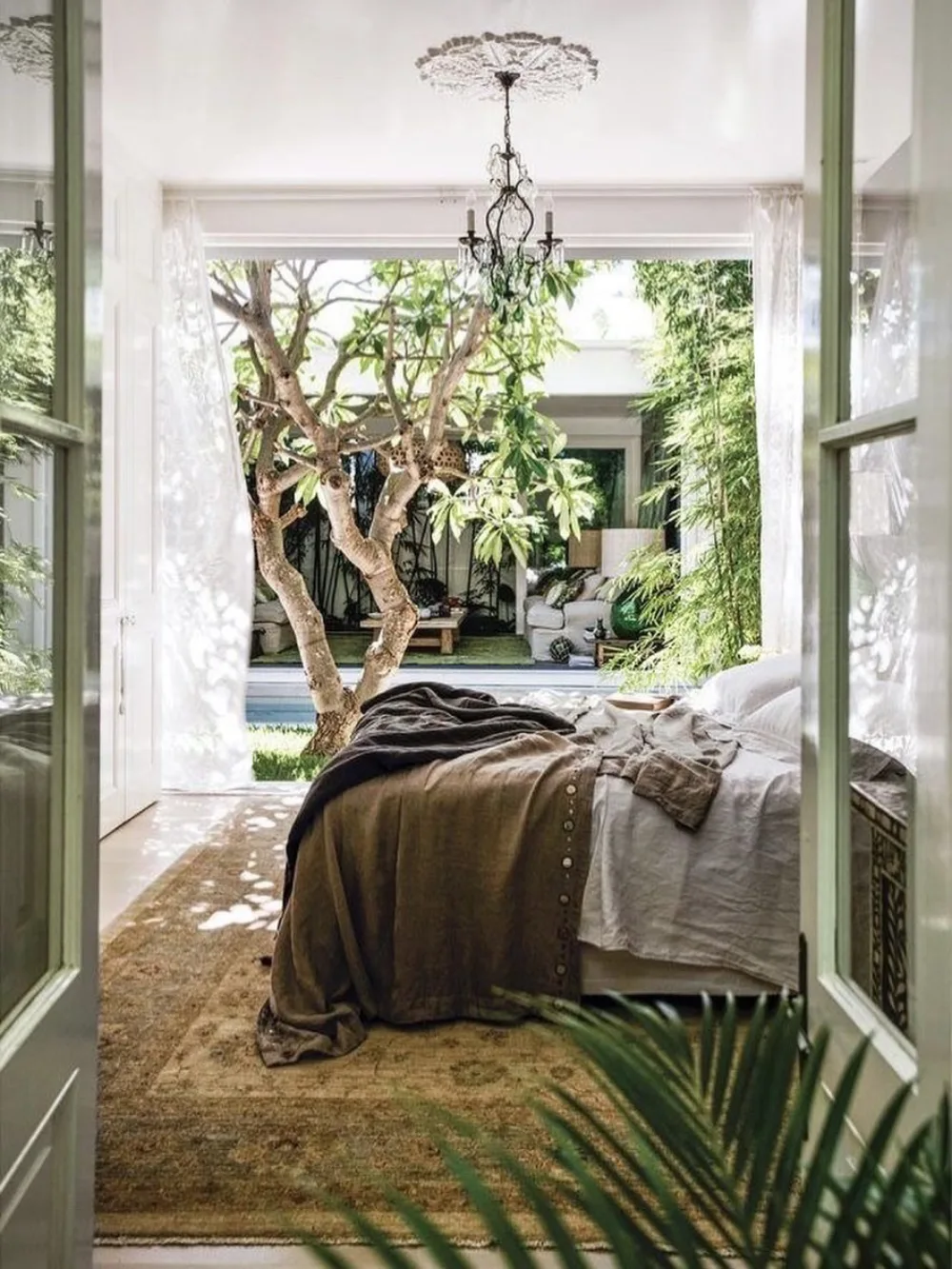
Positioning the bed directly toward an outdoor view creates a natural visual boundary around the sleeping area. Open doors keep the room airy, while the surrounding greenery provides a softer sense of separation.
Use Glass to Divide Wet and Dry Areas
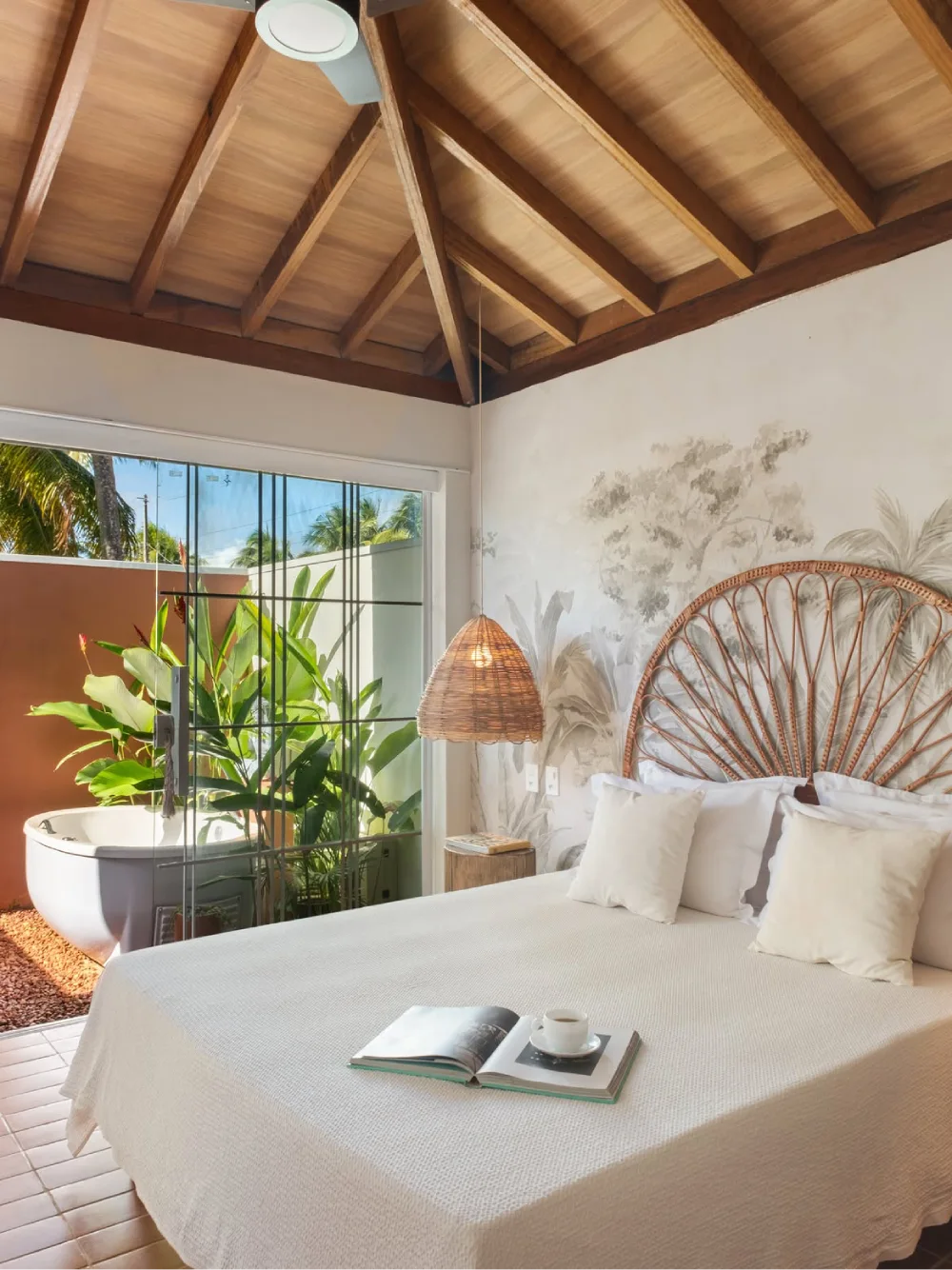
Glass is useful when you want distinct zones without making the bedroom feel boxed in. Here, the transparent enclosure separates the bathing area while preserving light and keeping the whole space visually connected.
Create a Greenhouse-Style Bedroom
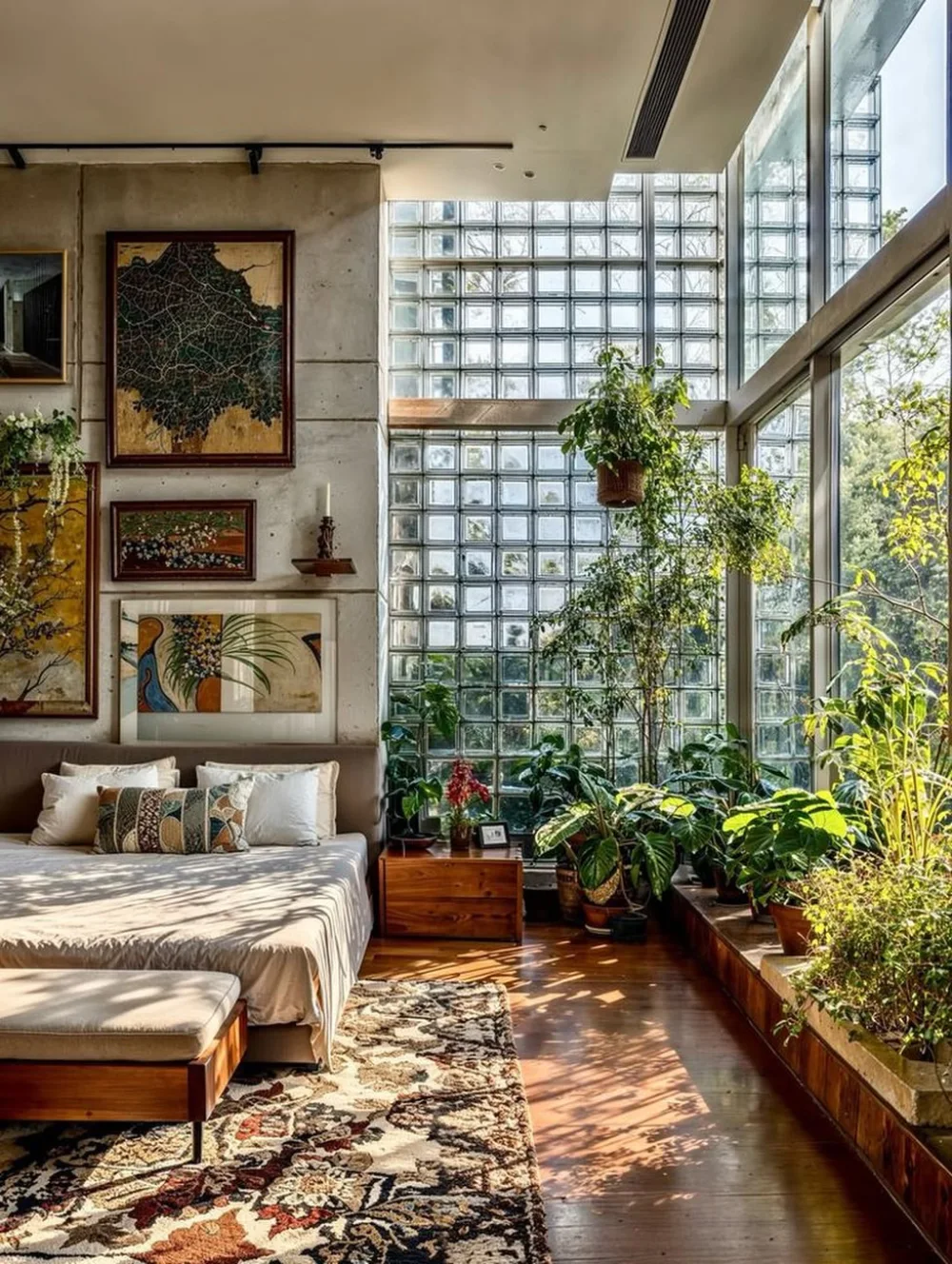
Glass block walls can bring plenty of daylight into a bedroom while creating more separation than clear glass. Adding plants along the windows reinforces the room's connection to the outdoors.
Soften Open Walls With Curtains
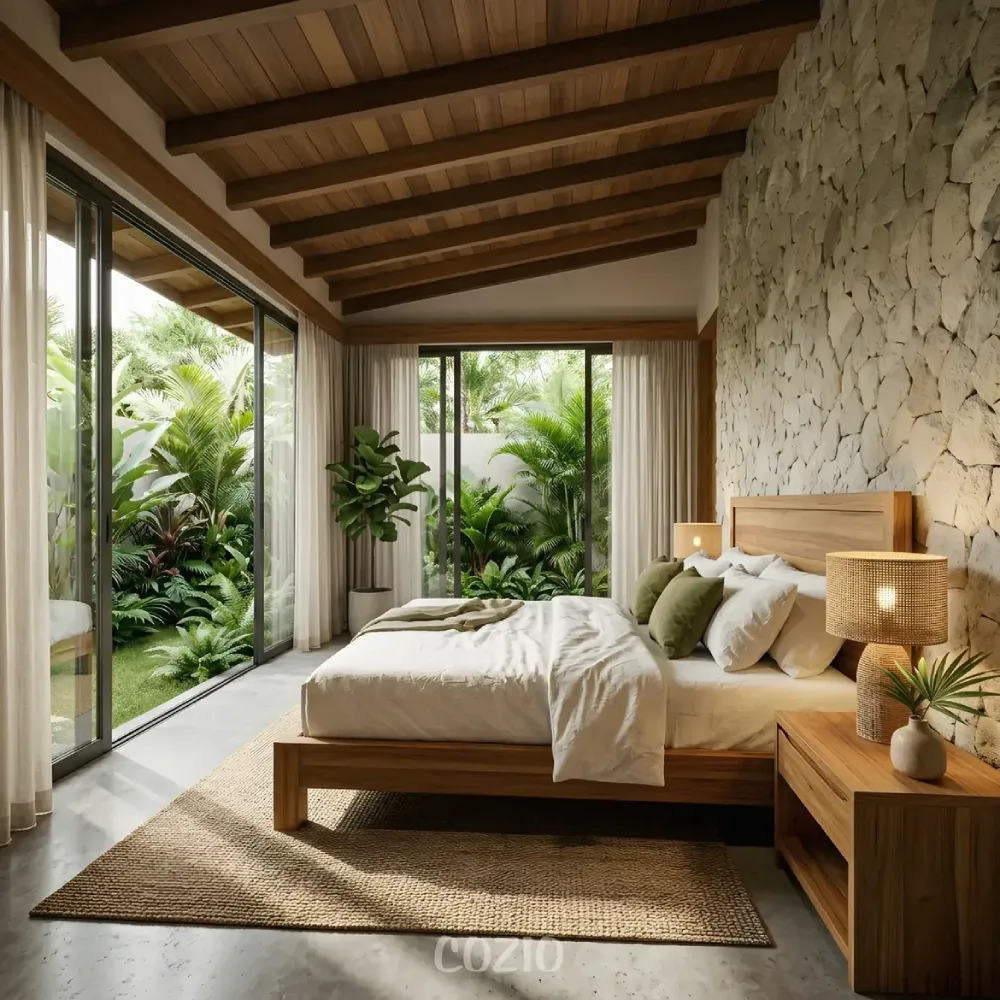
Full-height curtains offer an easy way to add privacy whenever you need it, without permanently closing off the room. Choose a light fabric to keep the space bright and relaxed when the curtains are open.
Let Furniture Define the Sleeping Zone
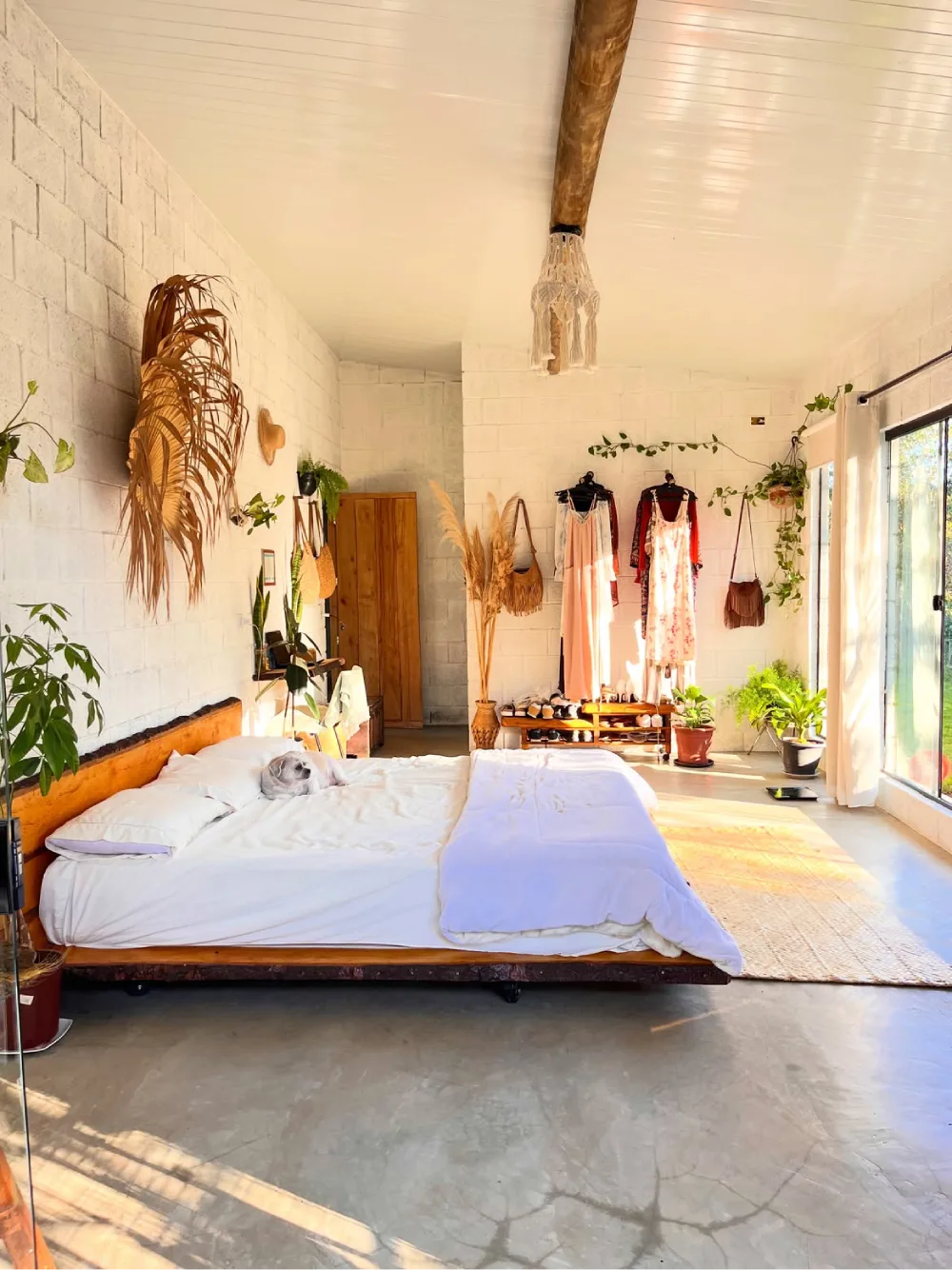
Furniture placement can create separation even when there are no dividing walls. A low bed, wardrobe, or open clothing rack can quietly establish the bedroom zone while leaving plenty of room for movement and natural light.
Blur the Boundary With an Outdoor Bedroom
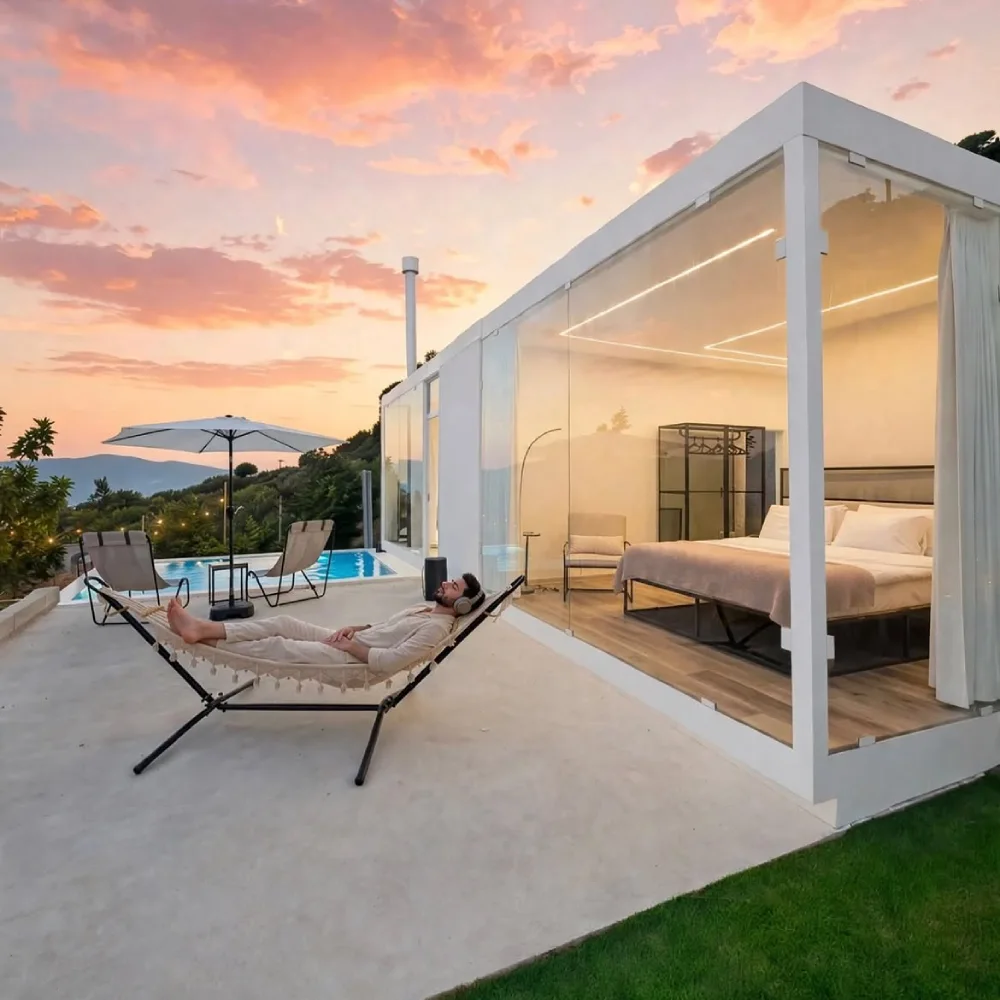
When a bedroom opens directly onto a private terrace, the outdoor space can become an extension of the room. Large glass walls keep the boundary subtle, while curtains can provide privacy when the space needs to feel more enclosed.
Add Privacy With Built-In Storage
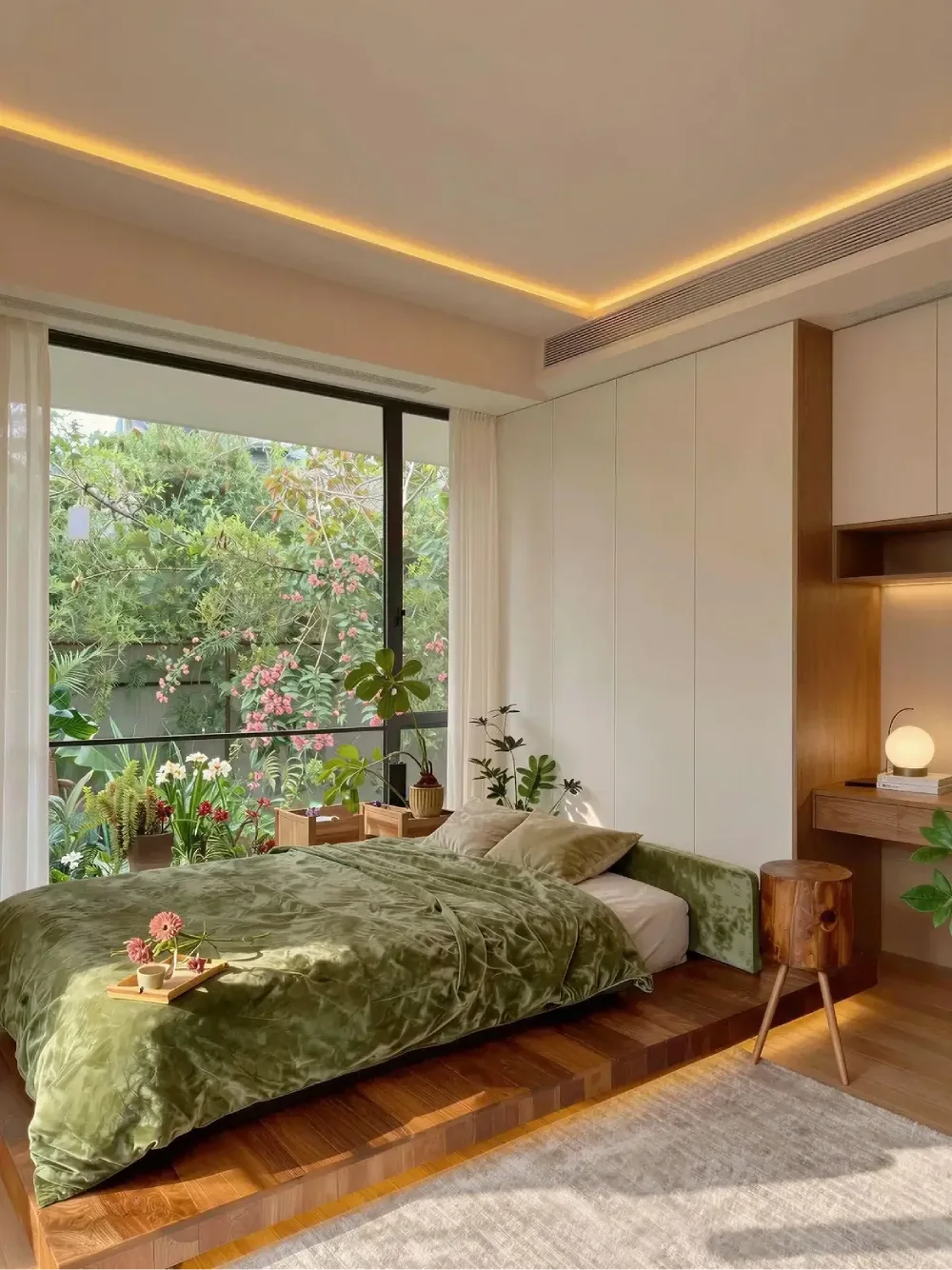
A wall of built-in storage can do more than hide clutter. It can also establish a clear edge for the sleeping area while keeping the room streamlined, especially in an open-concept layout.
Use Architecture to Shape the Bedroom
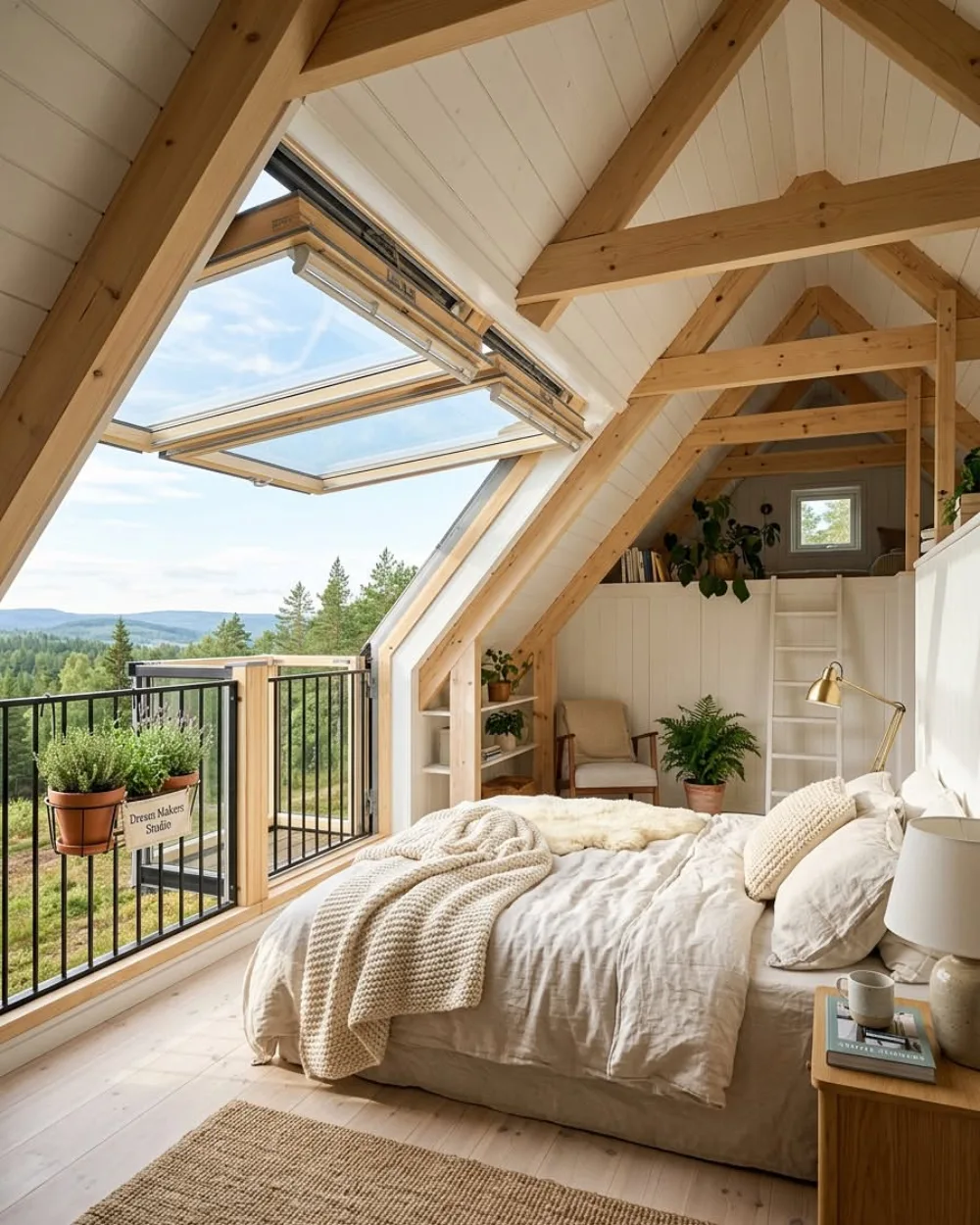
Architectural features can naturally divide an open bedroom without adding conventional walls. Exposed beams, changes in ceiling height, and built-in nooks give each area its own character while maintaining an open flow.
Connect Indoor and Outdoor Living
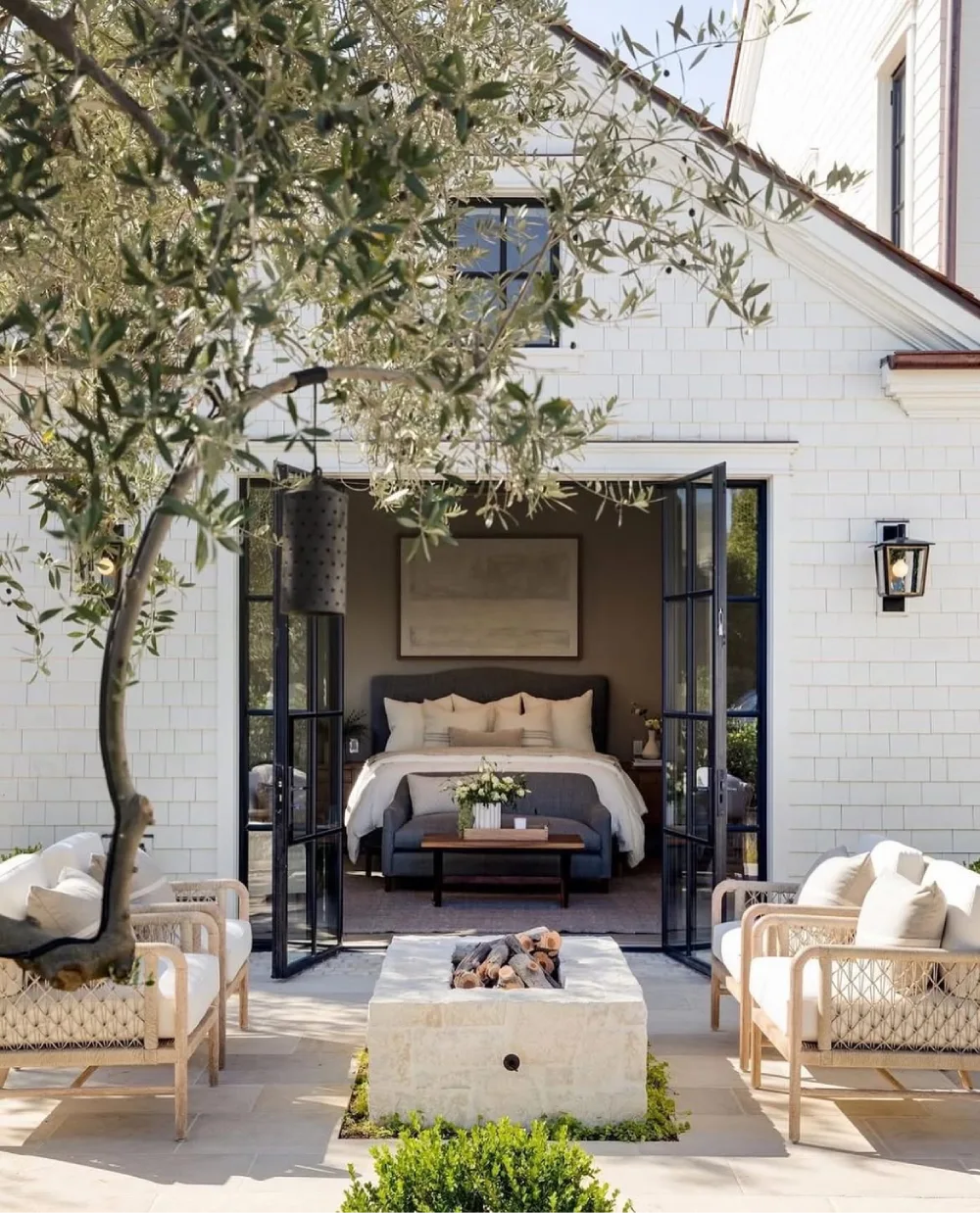
Wide folding doors can make a bedroom feel larger by connecting it directly to an outdoor sitting area. When closed, they provide a clear boundary, and when open, they create one continuous living space.
Open the Bedroom to a Private Pool
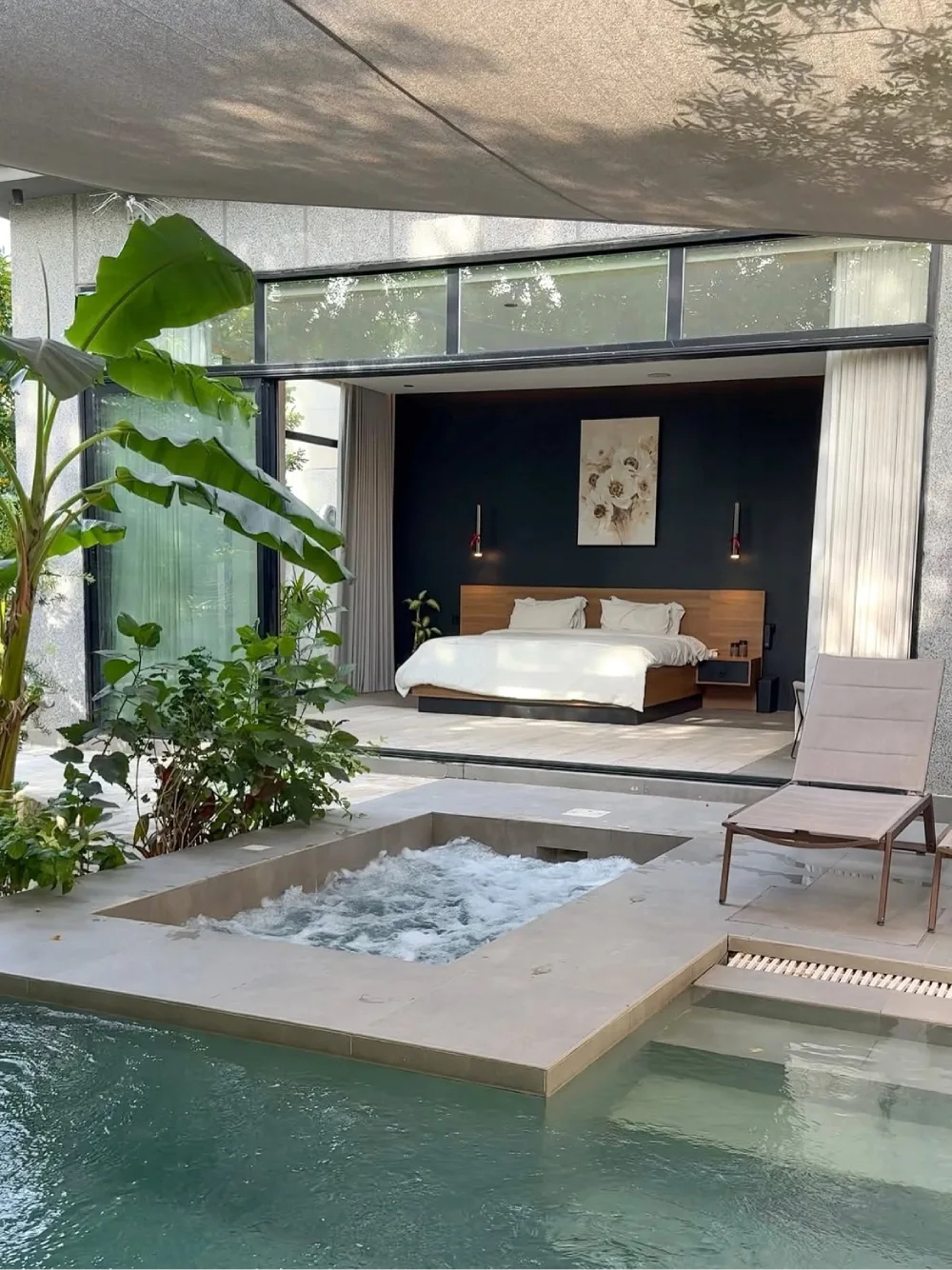
When privacy is already built into the outdoor setting, an open bedroom can embrace the surrounding space without feeling exposed. Large openings connect the bed to a private pool area while curtains provide extra separation when needed.
Extend the Bedroom With a Balcony
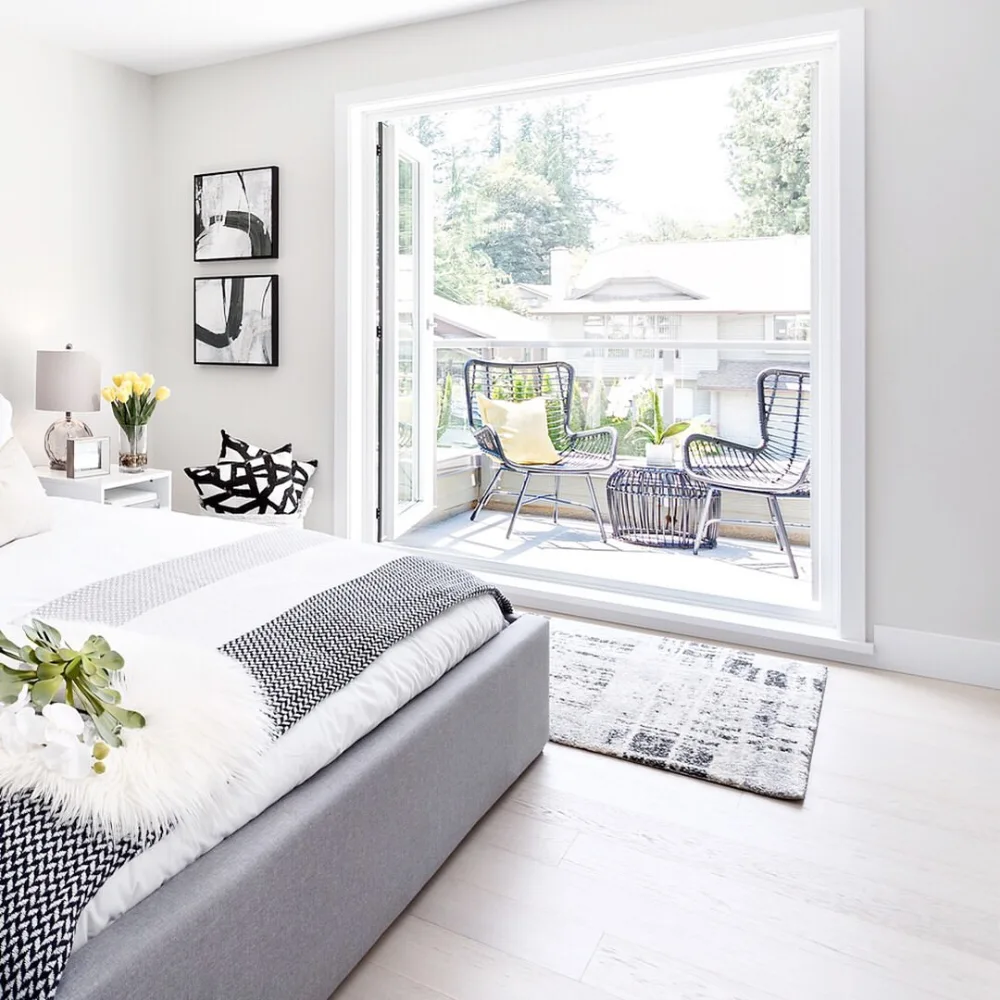
A wide opening to a balcony can make a bedroom feel more spacious without changing its footprint. Keeping the interior light and uncluttered helps the two areas read as connected but still function as separate spaces.
Add Screening Without Blocking Light
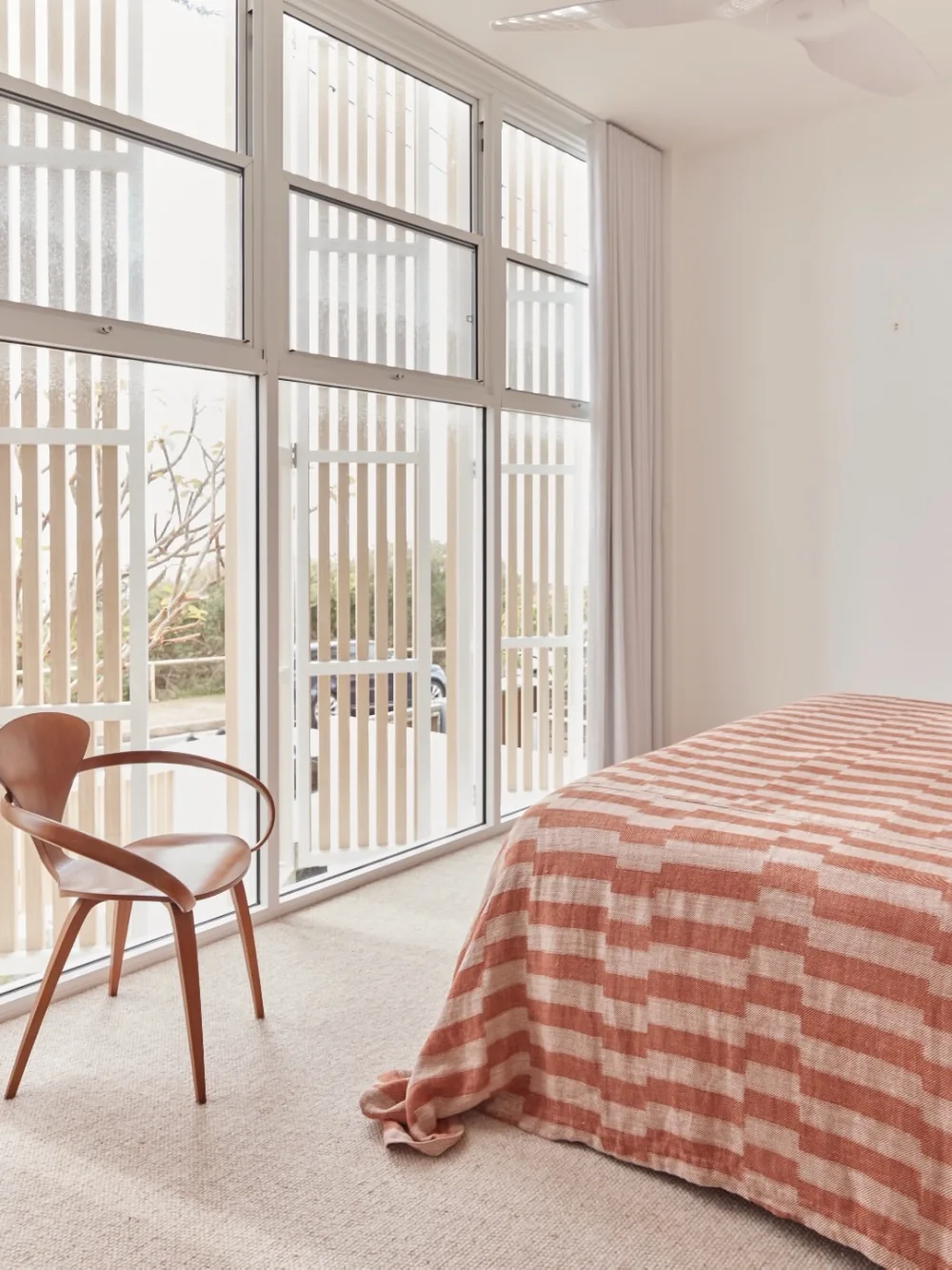
Exterior screens are a clever option when an open bedroom needs more privacy from outside. Vertical slats filter views and sunlight while allowing plenty of daylight into the room, keeping the overall design bright and open.